2026 LAMBORGHINI TEMERARIO
“Only 30,000 days of life, and half of that asleep. Don’t wait until tomorrow, be Temerario: fearless, intrepid.”[cite: 2]
The elite automotive landscape is experiencing a profound paradigm shift, forcing legacy manufacturers to redefine the parameters of raw performance. While the segment increasingly relies on muted electrical powertrains, Sant’Agata Bolognese has chosen a dramatically uncompromising path. The launch of the new Lamborghini Temerario introduces a highly advanced High-Performance Electrified Vehicle layout that honors engineering emotion while moving aggressively into the future[cite: 2]. By joining forces with professional explorer Mike Horn, the brand frames this new architecture not merely as regulatory compliance, but as a fearless pursuit of the unknown[cite: 2].
Mike Horn, Professional Explorer[cite: 2]
The Powertrain: Dismantling the Performance Horizon
To fully understand the engineering depth of the Temerario, one must analyze the bold decision to move past the naturally aspirated architecture that defined its predecessor. In its place sits a specialized twin-turbo V8 internal combustion engine intricately linked with three individual electric motors[cite: 2].
This complex configuration yields an earth-shattering combined output of 920 CV, filling structural torque gaps while delivering sustained power bands across the dynamic envelope[cite: 2]. Crucially, this system registers as the first and only production super sports car engine capable of scaling to an astronomical 10,000 rpm redline[cite: 2]. The result is an extraordinary acoustic profile combined with precise mechanical feedback.
Twin-
Turbo
Hybrid
Motorsport Foundation: The GT3 Lineage
True engineering excellence demands that structural design serve outright velocity. Looking through the windshield of the Temerario across mountain passes or track surfaces reveals an advanced cabin geometry built around pure driver command[cite: 2]. The aggressive lines of the exterior wrap around active cooling pathways required to regulate temperature across the electric motors and the turbochargers.
Significantly, the base architecture was engineered from day one to serve as a dual-purpose high-performance platform. Alongside the road car sits its pure motorsport sibling: the Temerario GT3[cite: 2]. Developed fully in-house by the Squadra Corse racing division, the GT3 variant uses the exact same V8 engine block, stripped of its hybrid components to align with global competition rules[cite: 2]. It is fearlessly aiming for victory on the world’s most demanding circuits, ensuring that the production variant retains a rigid, race-proven structural foundation capable of handling immense competitive strains[cite: 2].
The Reality of Electrified Metrics
While the focus remains firmly on emotion and velocity, the integration of hybridization brings a new set of data to the table. Engineering analysis reveals a weighted combined energy consumption metric of 4.3 kWh/100 km plus 11.2 l/100km, which correlates to a combined CO2 output of 272 g/km under standard operating parameters (Class G)[cite: 2]. When the high-voltage hybrid battery is fully discharged, the standalone combustion system records a consumption rate of 14 l/100km[cite: 2].
| Specification | Technical Detail |
|---|---|
| Powertrain Layout | V8 Twin-Turbo + Tri-Motor Hybrid (HPEV)[cite: 2] |
| Combined Maximum Output | 920 CV[cite: 2] |
| Maximum Engine Speed | 10,000 RPM (Industry First)[cite: 2] |
| Motorsport Variant | Temerario GT3 (Squadra Corse Developed)[cite: 2] |
| CO2 Emissions Class | Class G (272 g/km)[cite: 2] |
An Editorial Conclusion
The Lamborghini Temerario stands as a monumental triumph of modern automotive engineering. Rather than utilizing hybridization to dilute its historic character, the brand has successfully weaponized electric architecture to safeguard the high-revving soul of the internal combustion engine. Presenting an elite 920 CV output along with a boundary-breaking 10,000 RPM capability[cite: 2], the Temerario establishes a highly distinct benchmark that defines its own unique mechanical tier.
For the driver willing to push the limits—or as Mike Horn eloquently puts it, to transcend fear to another level[cite: 2]—this machine provides the ultimate vessel for exploration.
The Luxury & Supercar Landscape
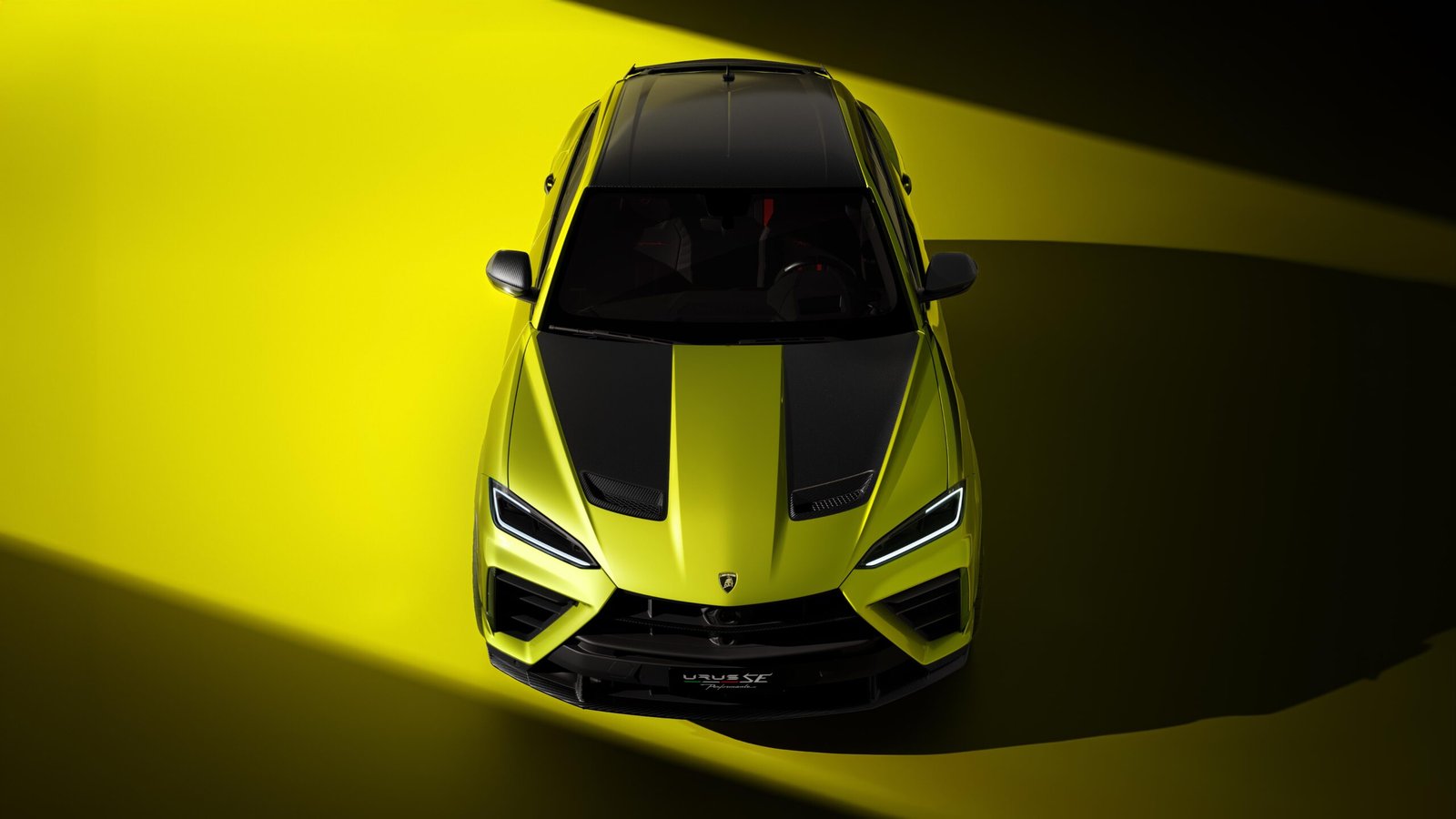
When analyzing the current market of luxury cars and high-end supercars cars, enthusiasts frequently debate the value and cost of lamborghini car models against alternatives like the lightweight mclaren 720s or even an affordable luxury cars option like a high-spec chevrolet corvette. Historically, vehicles like the lamborghini gallardo, lamborghini aventador, and the hyper-exclusive lamborghini veneno have set the standard for poster-wall exotics. Today, the portfolio is highly diverse. If you require utility and space, a lamborghini urus (often searched as lambo urus or suv lamborghini urus) remains a top-tier luxury suv, battling the likes of the bmw x7 suv, high-end maybachs, and the rolls royce ghost for driveway supremacy. While some buyers search for a lamborghini urus for sale or track the lambo urus price to combine family duty with supercar speed, the Temerario takes a different route entirely.
The Temerario replaces the revered lamborghini huracan and aims directly at the upper echelon of the sport car market. It leaps past standard luxury sports cars like the porsche 911 carrera or the classic lexus lfa, targeting the extreme performance delta once reserved for a bugatti chiron or a pagani zonda. Whether you are coming from used luxury cars, upgrading from an audi audi r8, or considering an exotic car rental to test the waters, this high-performance hybrid proves that the internal combustion engine is far from dead. From dreaming about the top most expensive car in the world to tracking down a kia sportage price for a daily commuter, the automotive spectrum is vast—but the Temerario sits proudly at the absolute bleeding edge of the luxury vehicle world.